
Free Crawl Space Inspections in Charlotte, NC
Most homeowners rarely see what is happening beneath their home. Musty odors, worsening allergies, high humidity, soft floors or cupping hardwoods may be signs that moisture, mold or wood damage is already developing in the crawl space.
Southern Crawl Space Repair inspects the space beneath your home, explains what we find and recommends the right next step.
By submitting this form, you acknowledge our Privacy Policy and Terms and Conditions.
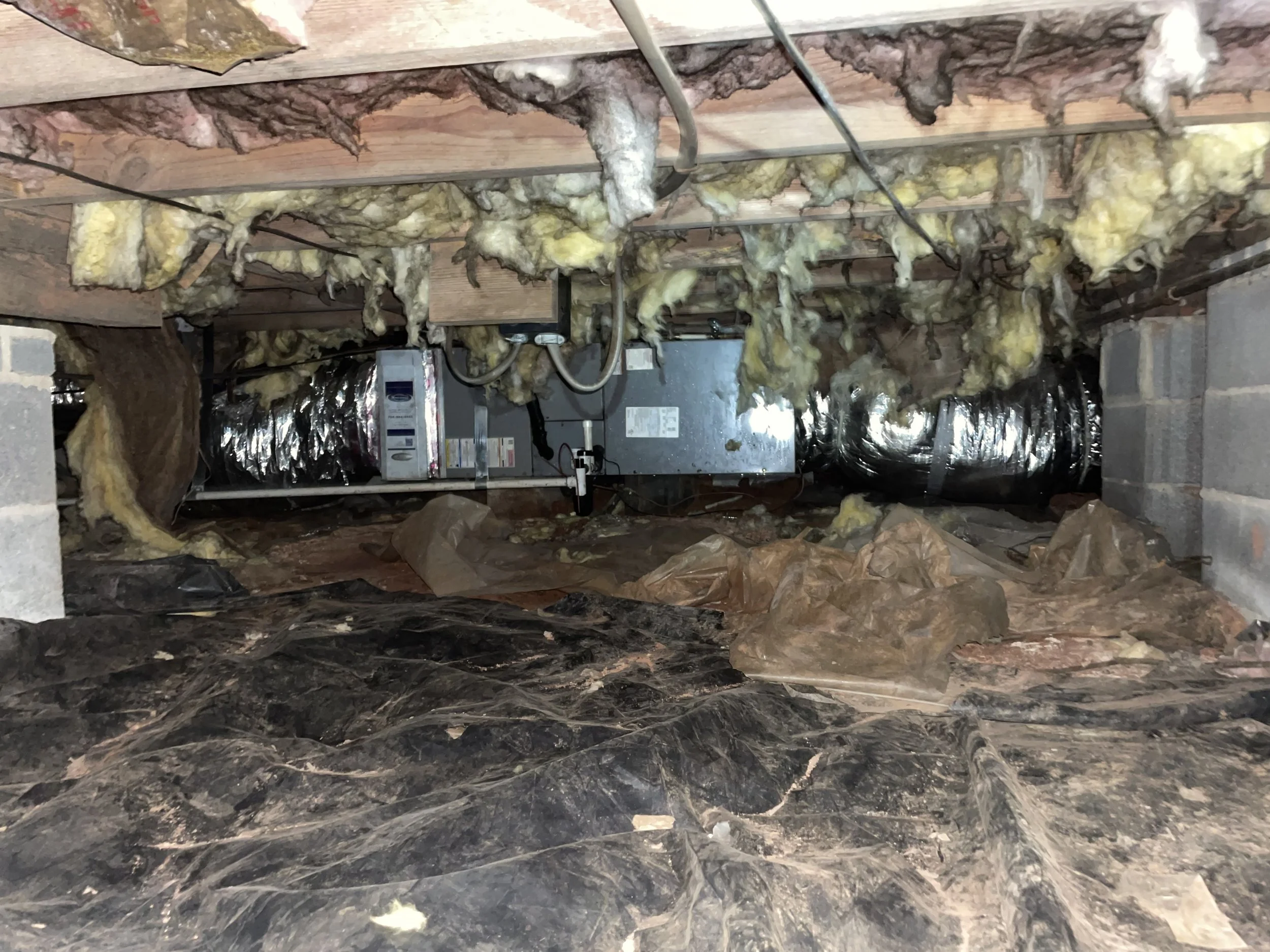
In Charlotte, humid air can turn a crawl space into a moisture trap, causing condensation, wet or falling insulation, and mold or fungal growth on floor joists and wood framing.
What to Expect
Most inspections take approximately 60 to 90 minutes, with most of that time spent inside the crawl space.
Tell Us What You Are Seeing
We begin with a short conversation about the odors, moisture, floor movement or other concerns that led you to call.
We Inspect the Crawl Space
We look for mold and fungal growth, standing water, damaged vapor barriers, wet insulation, drainage problems, wood rot and other visible crawl space conditions.
We Explain What We Find
After the inspection, we review the findings with you and explain which problems need attention.
We Recommend the Right Repair
Some homes need a limited repair. Others need mold treatment, drainage, encapsulation, humidity control or structural wood repair. We recommend the work the home actually needs.
Do Not Ignore the Warning Signs
Crawl space problems usually get worse when the moisture source remains in place. High humidity, standing water and wet insulation can feed mold and fungal growth, create persistent odors and eventually damage joists, beams, subflooring and other materials beneath the home. Schedule an inspection if you notice:
Musty odors inside the home
Allergy or asthma irritation
High indoor humidity
Soft, bouncy or uneven floors
Cupping hardwood floors
Wet or falling insulation
Visible mold or fungal growth
Standing water or damp soil
Problems listed on a home inspection report
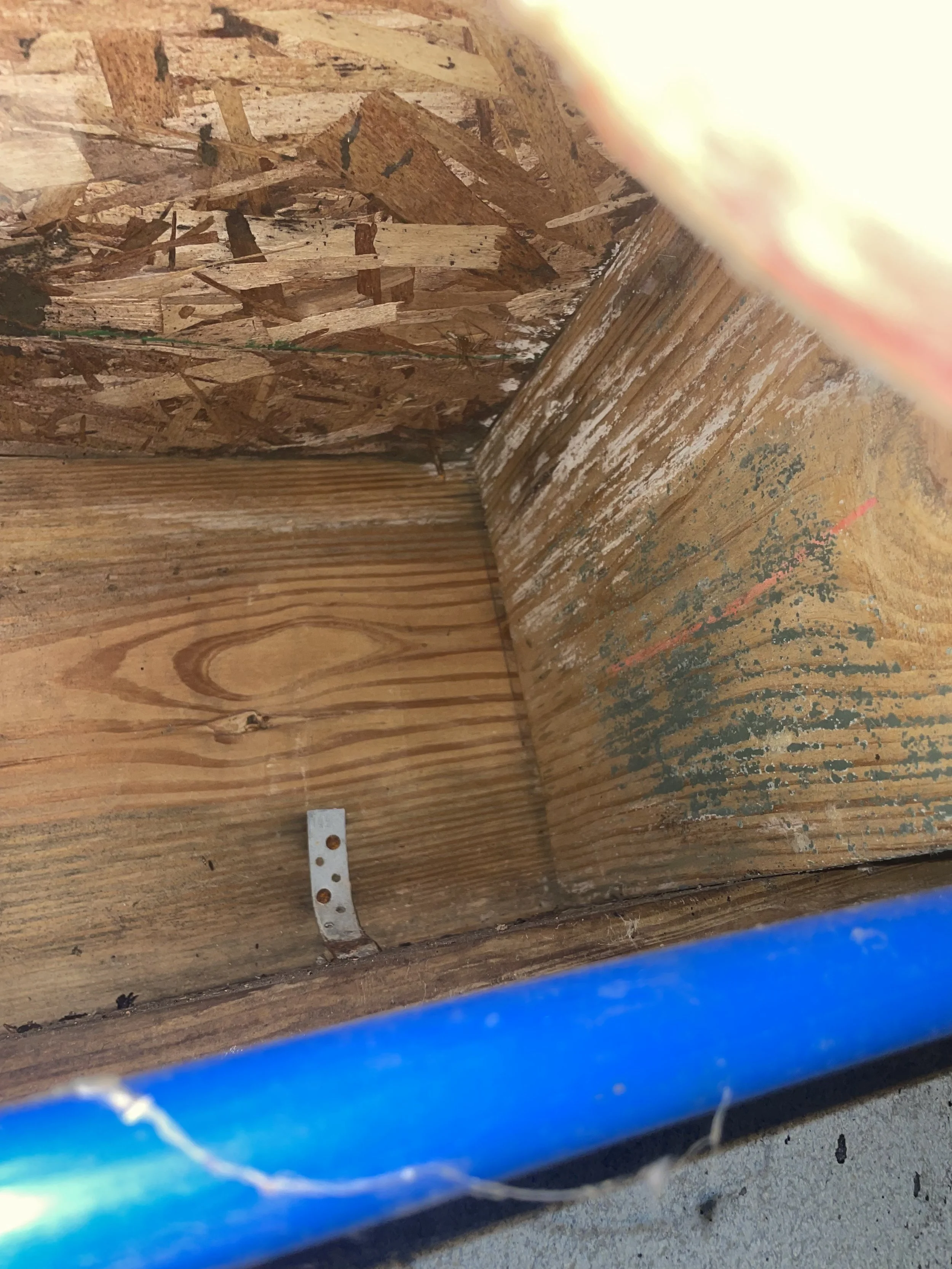
Visible mold and fungal growth are warning signs that moisture has remained beneath the home. Left untreated, the problem can spread, aggravate allergies or asthma, and contribute to wood damage.
Real Estate Crawl Space Inspections
Crawl space problems can create last-minute delays, repair demands and price negotiations during a home sale. Southern helps homeowners, buyers, sellers and real estate agents evaluate concerns such as:
Mold or fungal growth
Standing water and drainage problems
Wet or fallen insulation
Damaged vapor barriers
Wood rot and moisture-damaged framing
Crawl space cleanout needs
Items identified during due diligence
Finding these problems before listing a home can give the seller more time to understand the repair options. Buyers can also use the inspection to understand whether the home needs a limited repair or a larger moisture-control system.
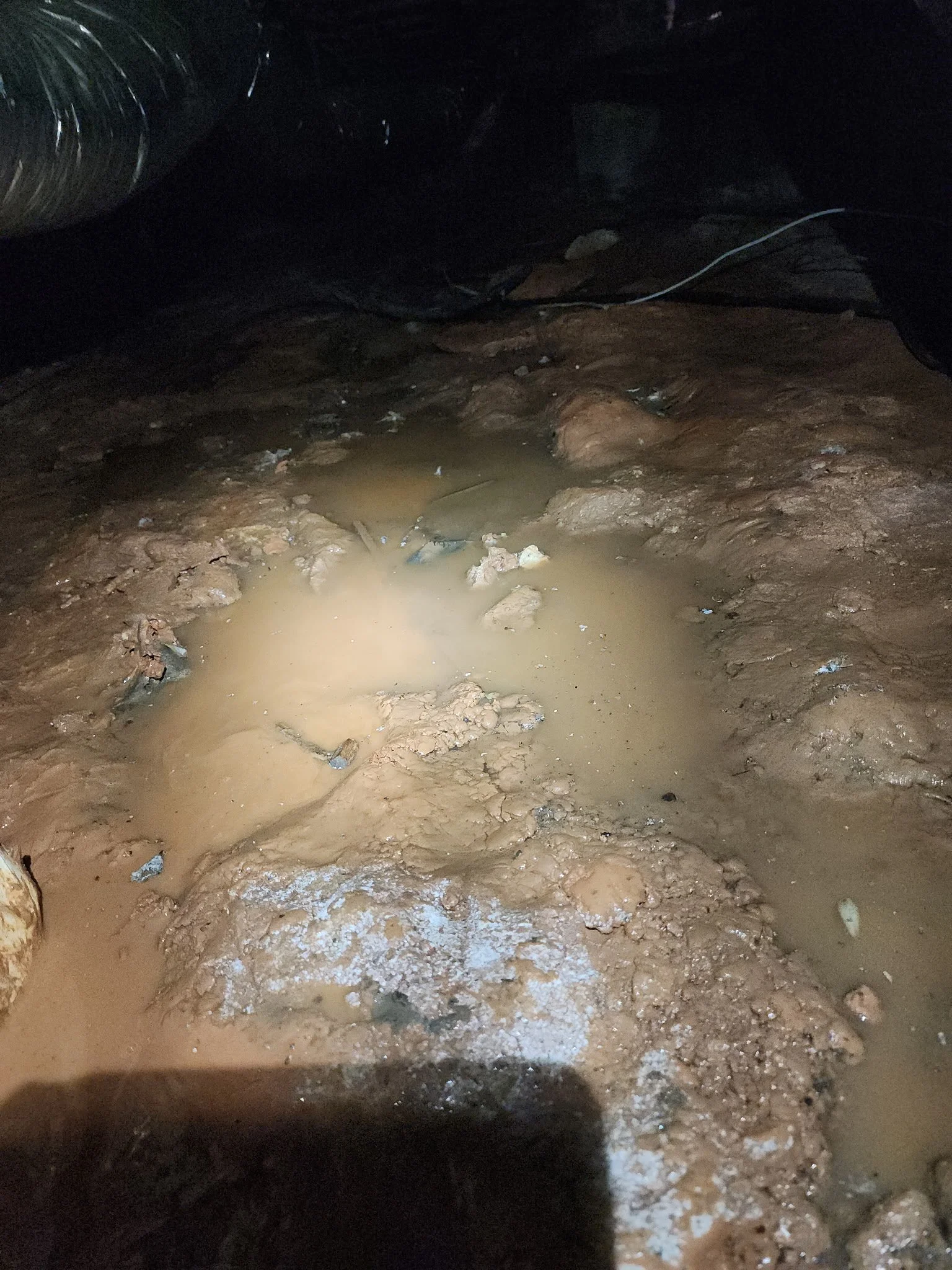
Standing water beneath a home can feed mold and fungal growth, soak insulation and accelerate wood damage. The repair may require interior drainage, a sump pump and discharge piping before the crawl space is encapsulated.