
Crawl Space Encapsulation in Charlotte, NC
Charlotte’s heat and humidity can create serious moisture problems beneath your home. High crawl space humidity can feed mold and fungal growth, soak insulation, create musty odors and contribute to wood rot.
Crawl space encapsulation helps control ground moisture and humid outside air by creating a cleaner, sealed and moisture-controlled space beneath the home. In many homes, the system also includes a crawl space dehumidifier to help control humidity year-round.
Southern Crawl Space Repair designs each encapsulation system around the conditions we find during the inspection. Not sure how a ground vapor barrier differs from partial or full encapsulation? Compare the three moisture-control options.
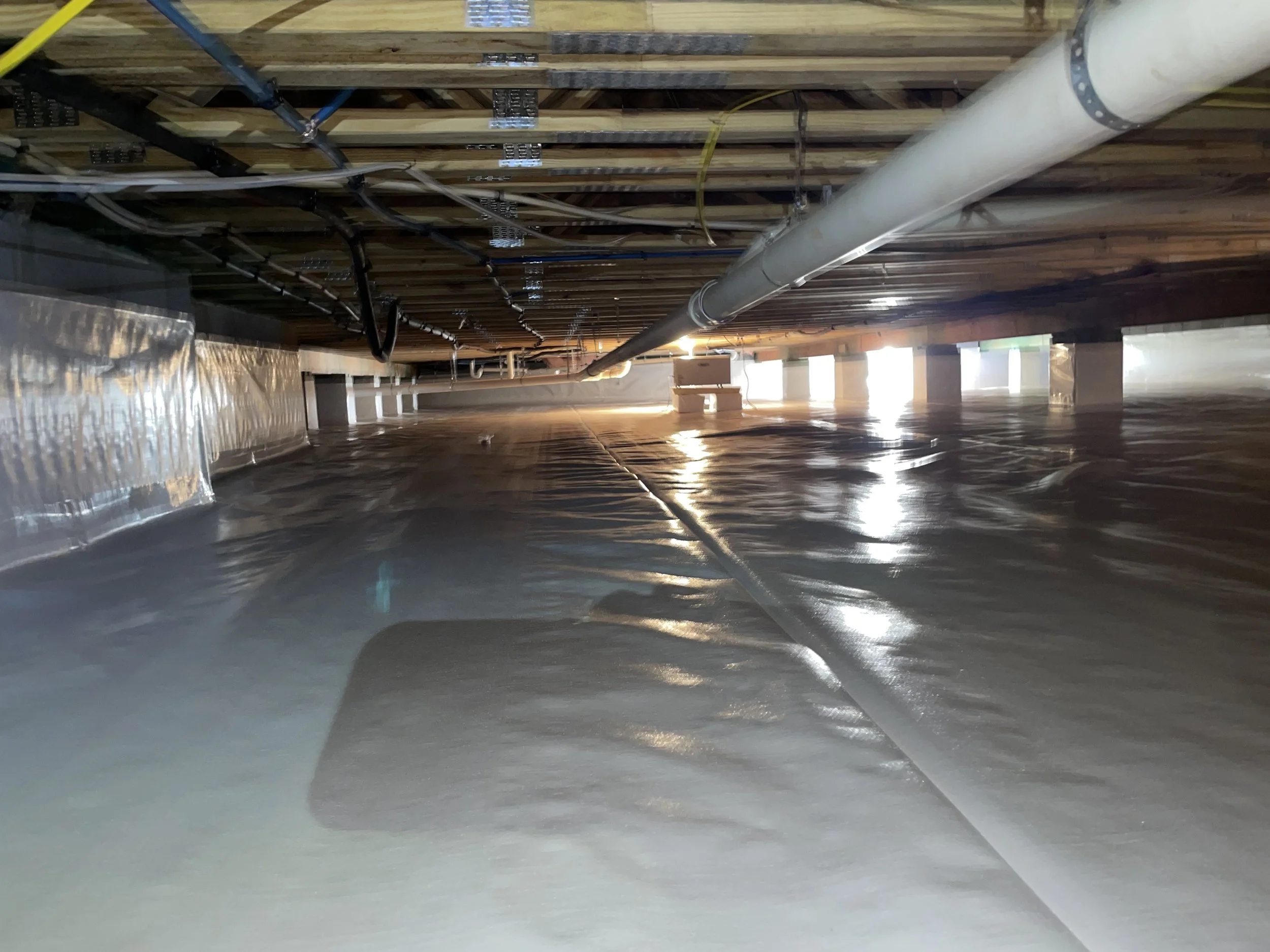
A complete crawl space encapsulation system seals the crawl space from ground moisture and outside air, then uses a dehumidifier to control humidity under the home.
Signs Your Crawl Space May Need Encapsulation
Encapsulation may be appropriate when moisture problems continue beneath the home, including:
High crawl space humidity
Musty odors inside the home
Mold or fungal growth
Wet or fallen insulation
Condensation on pipes, ductwork or wood framing
Damp soil or a damaged vapor barrier
Rust on metal components
Moisture-damaged wood
Cupping or movement in hardwood floors
The longer moisture remains beneath the home, the greater the risk of mold, insulation damage and wood decay. Standing water may require drainage or a sump pump before or along with encapsulation.
Learn why Charlotte’s humidity makes encapsulation and professional dehumidification critical for controlling crawl space mold and fungal growth.
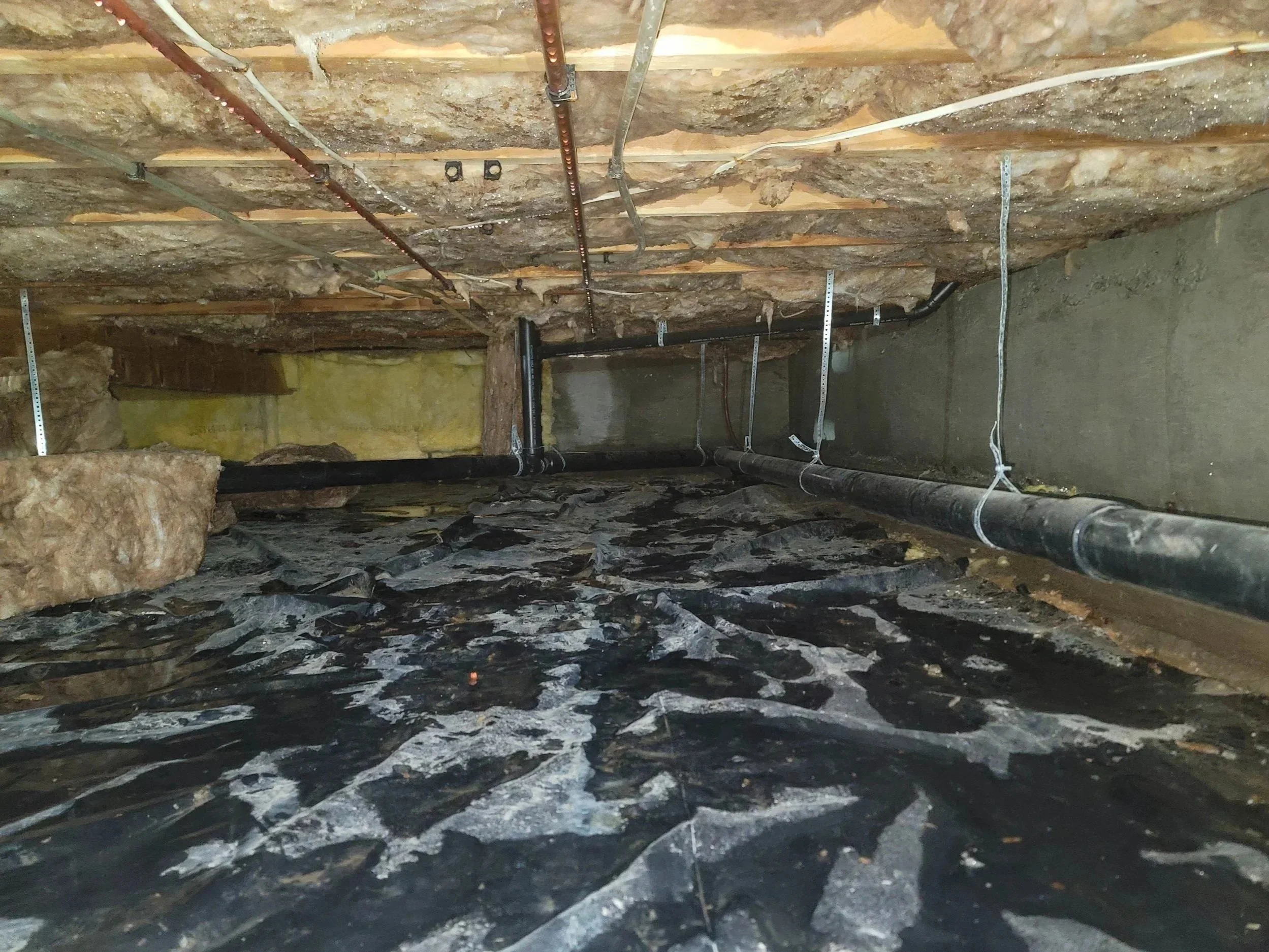
Most homeowners do not know what is happening under their home. A wet or humid crawl space can create mold-friendly conditions, aggravate allergies or asthma, and cause long-term damage to insulation and wood framing.
What Is Crawl Space Encapsulation?
Encapsulation creates a more controlled environment beneath the home by separating the crawl space from exposed soil, outside air and other moisture entry points. A complete system may include:
A reinforced floor liner
Sealed seams and penetrations
Wrapped piers and columns
Sealed crawl space vents and openings
Spray foam insulation on foundation walls
A crawl space dehumidifier
Drainage and a sump pump when active water is present
Crawl space encapsulation is sometimes called crawl space sealing because the vents, openings, liner seams and other moisture-entry points are sealed to create a more controlled environment beneath the home.
Not every crawl space needs every component. We inspect the space and recommend the work based on the moisture, water and access conditions we find.
Not sure how a ground vapor barrier differs from partial or full encapsulation? Compare the three moisture-control options.
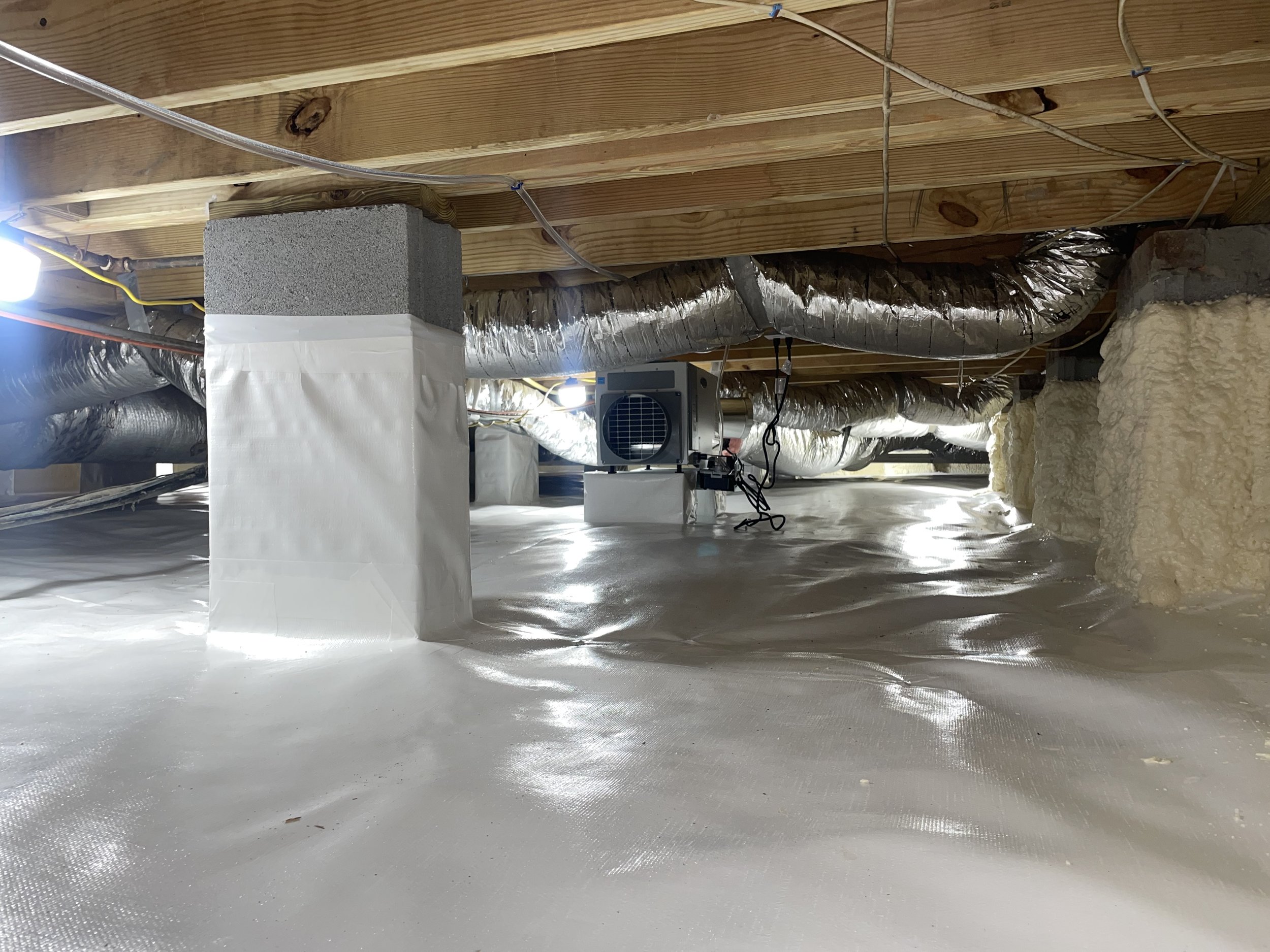
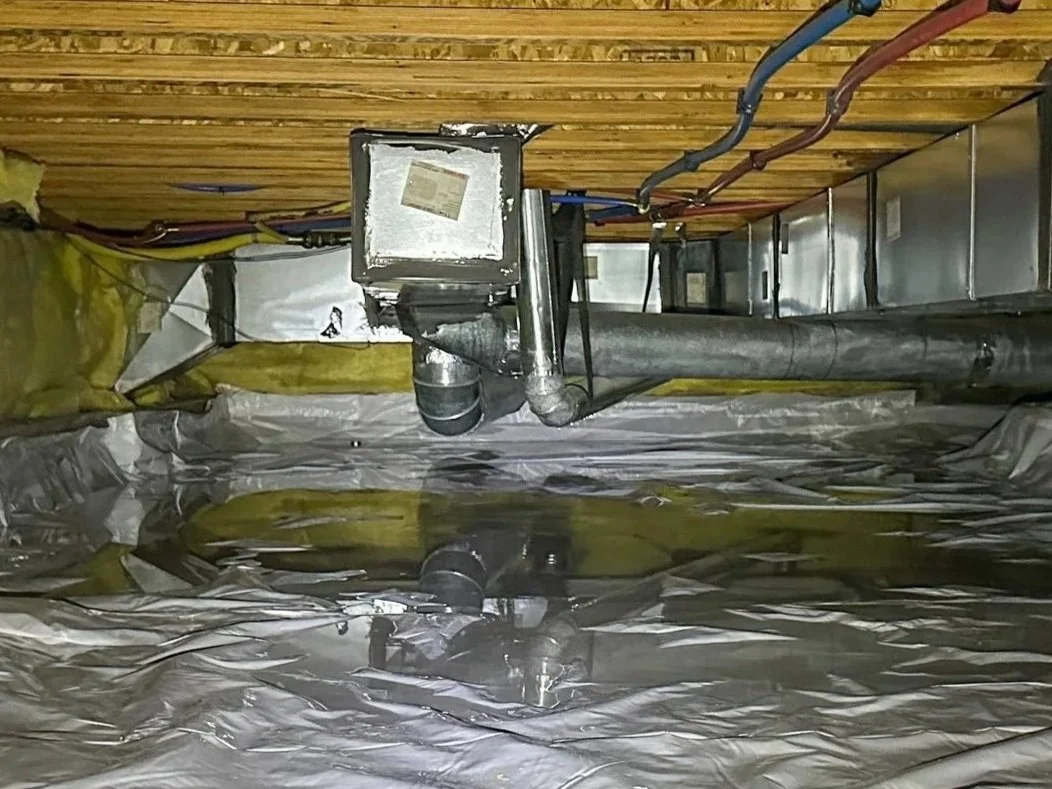
This full crawl space encapsulation shows how each part of the system works together. Southern removed the old insulation, applied spray foam to the foundation walls, installed the encapsulation liner and added a correctly sized dehumidifier to control humidity.
How Much Does Crawl Space Encapsulation Cost?
Even serious crawl space problems do not always require a prohibitively expensive solution. Southern’s crawl space encapsulation projects typically cost between $5,000 and $10,000 for an average-sized home. This typically includes a good cleanout, partial encapsulation and a correctly sized dehumidifier. This range excludes electrical outlets and an HVAC fresh-air intake when the home requires them.
Your crawl space just might be the most important room in your home because it affects the air you breathe and the structure above it. We love a clean crawl space, but we understand that most people don’t want to invest in a room they never see or use. Mold treatment, sump pumps and drainage, and insulation repair add to the cost, but Southern recommends the most cost-effective solution your home needs.
Southern will walk you through the exact scope and price in person on the same day as your free inspection.
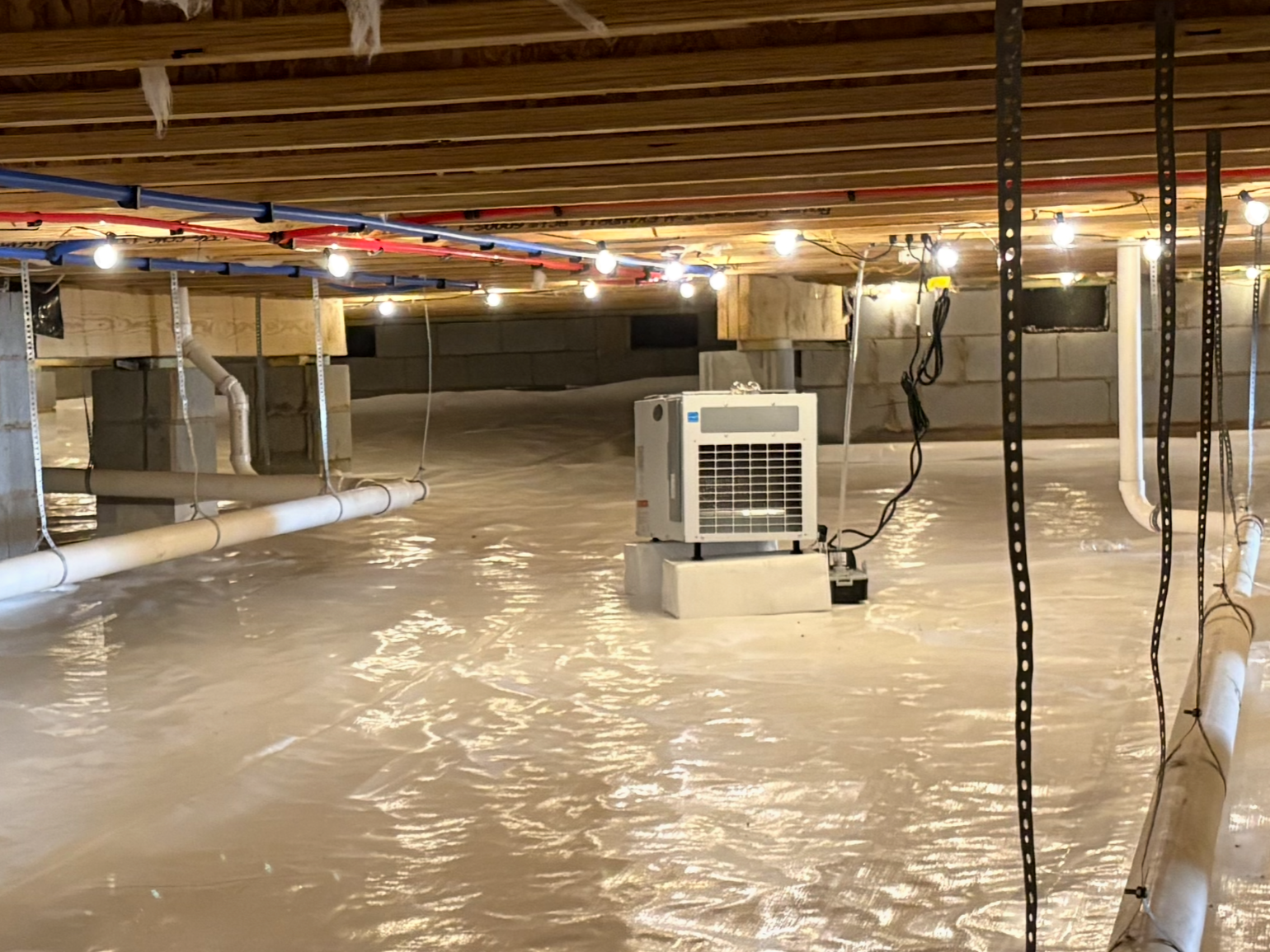
This smaller project stopped a big mess. Southern used a good cleanout, partial crawl space encapsulation and a correctly sized crawl space dehumidifier to solve the moisture problem without a massive repair bill.
Ground Vapor Barrier vs. Partial and Full Encapsulation
A ground vapor barrier, partial encapsulation and full encapsulation provide different levels of moisture protection. The right option depends on whether the crawl space is dealing with ground moisture alone or also has humid outside air, uncontrolled humidity and condensation.
Standing Water Must Be Addressed
Encapsulation helps control moisture vapor and humid air, but it does not remove standing water.
When water enters or collects beneath the home, drainage or a sump pump may be needed before or along with encapsulation. Covering an active water problem with a liner can hide the water without solving it.
A vapor barrier alone may not stop moisture problems. Hot, humid crawl space air can create condensation on top of the liner, so full encapsulation and dehumidification may be needed to keep humidity, mold-friendly conditions, and long-term damage under control.
Our Encapsulation Process
Inspect the Crawl Space
We look for humidity, standing water, mold, damaged insulation, vapor barrier problems and visible wood damage.
Prepare the Area
We remove debris, damaged materials and old plastic that need to come out before installation.
Install and Seal the Liner
We install the reinforced liner across the crawl space floor and seal seams, edges and penetrations.
Seal Outside Air Openings
We seal vents and other major openings that allow humid outside air into the crawl space.
Control Humidity
A crawl space dehumidifier may be installed to help maintain the proper humidity level after the space is sealed.
Strong Warranties. Clear Protection.
Southern backs our crawl space systems with clear written warranties.
25-Year Transferable Vapor Barrier Liner Warranty
Covers rips, tears and seam separation in Southern-installed vapor barrier liners.
25-Year Transferable Crawl Space Drainage Warranty
Covers Southern-installed crawl space drainage systems with required annual inspection and maintenance.
One-Year Workmanship Warranty
Covers Southern workmanship on services that do not include a separate written warranty.
Manufacturer Warranties
Dehumidifiers, sump pumps, battery-backup systems and other equipment include applicable manufacturer warranties.
Learn more about Southern’s warranties.
Not sure what is going on in your crawl space?
Let us inspect your crawl space for free. We will explain the problem, if any, and recommend the right next step.
Crawl space encapsulation cost depends on the size, access and condition of the crawl space and whether drainage, mold treatment, insulation removal or other preparation is needed. A free inspection is the best way to determine the right system and price.
By submitting this form, you acknowledge our Privacy Policy and Terms and Conditions.