
Crawl Space Insulation Repair & Removal in Charlotte, NC
Fallen or wet crawl space insulation can do more than make your floors uncomfortable. It can lose insulating value, trap moisture against the wood framing, hold musty odors and create conditions that support mold, fungal growth and wood rot.
Southern Crawl Space Repair inspects the insulation beneath your home and explains what can be rehung, what should be removed and whether replacement or foundation wall insulation is the better option.
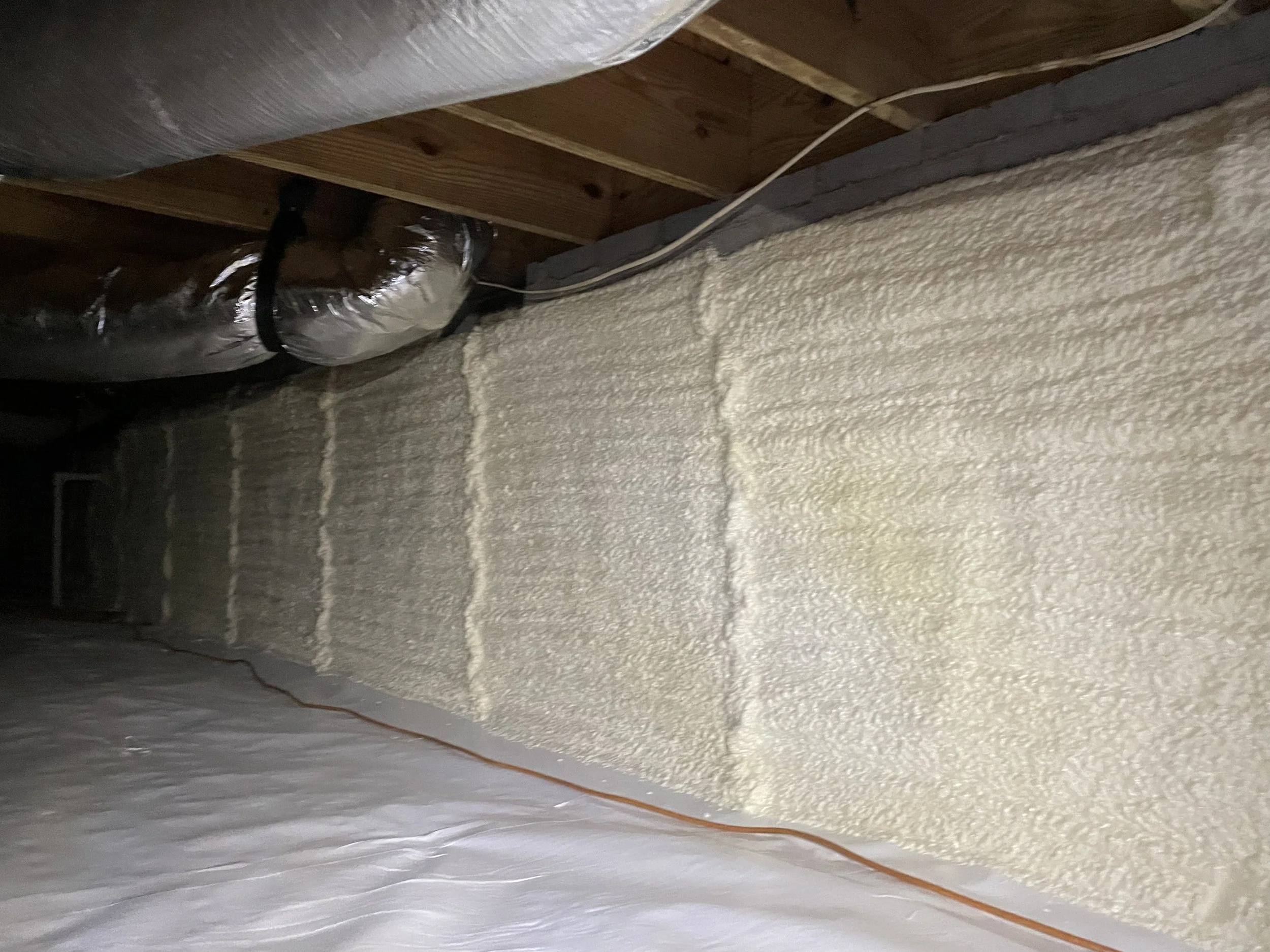
Spray foam insulation on crawl space foundation walls helps reduce air leakage, improve energy efficiency and protect the space from the humid conditions that can lead to condensation, mold and wood damage.
Why Crawl Space Insulation Fails?
Crawl space insulation commonly sags or falls because of:
High humidity and condensation
Plumbing leaks
Standing water
Pest activity
Poor installation
Age and deterioration
Damaged or missing supports
Ongoing crawl space moisture
As insulation loosens, gaps form beneath the floor. That can reduce energy efficiency and make rooms above the crawl space feel colder or less comfortable.
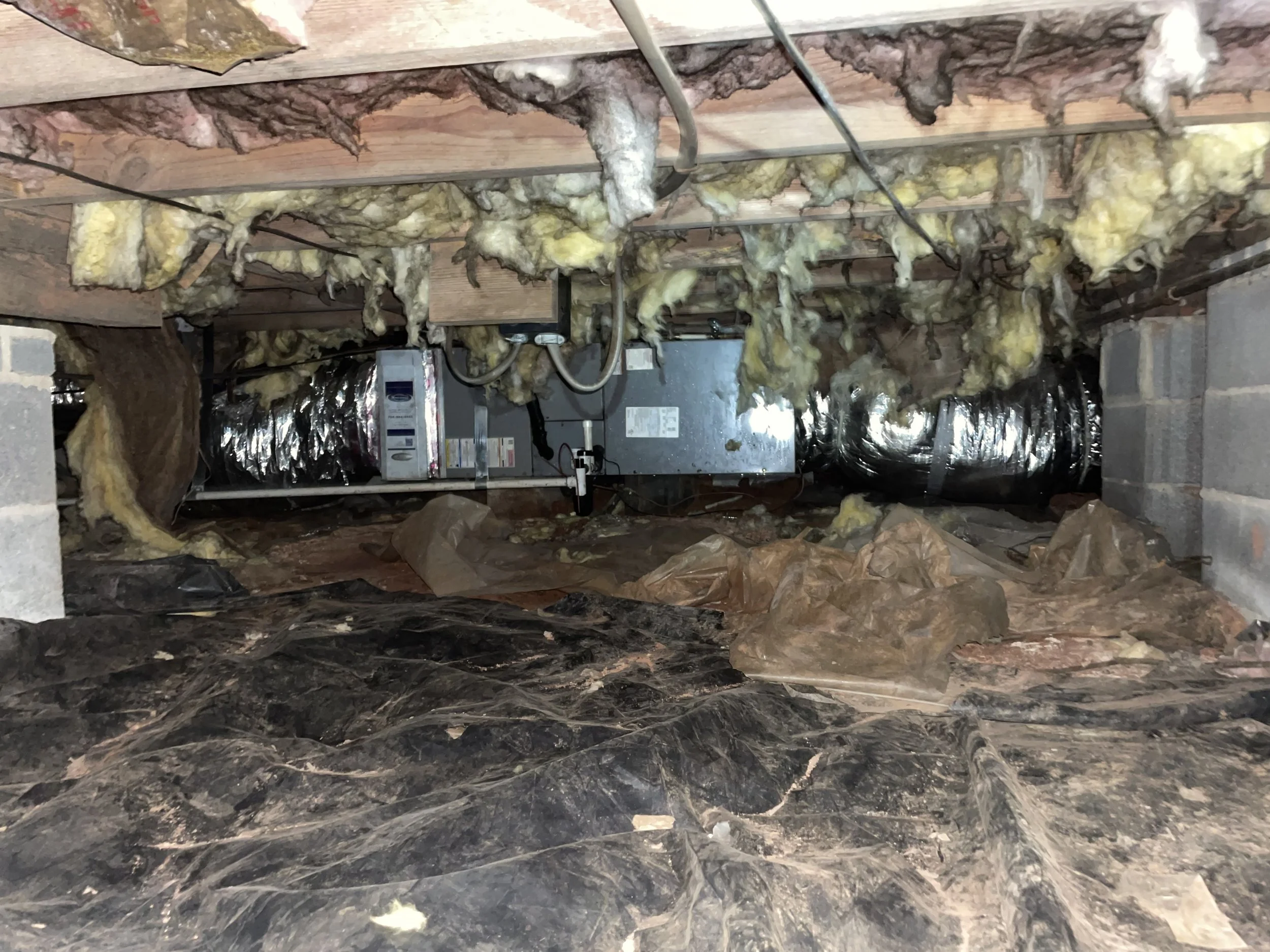
When crawl space insulation falls away from the floor joists, it can reduce energy efficiency and comfort. If wet insulation stays against the wood, it can trap moisture and create mold-friendly conditions under the home.
Rehang, Remove or Replace?
Rehang Usable Insulation
Insulation may be rehung when it is dry, clean and still in good condition. Rehanging can restore coverage beneath the floor without replacing material that is still usable.
Remove Damaged Insulation
Wet, mold-contaminated, pest-damaged or deteriorated insulation should usually be removed. Leaving damaged insulation in place can trap moisture, odors and contamination beneath the home.
Replace Floor Insulation
New insulation may be installed between the floor joists when the crawl space will remain vented and the insulation approach fits the home.
Insulate the Foundation Walls
In an encapsulated crawl space, insulation may be moved from the floor system to the foundation walls. This helps insulate the sealed crawl space while leaving the joists, beams and subflooring visible for future inspection and better moisture control.
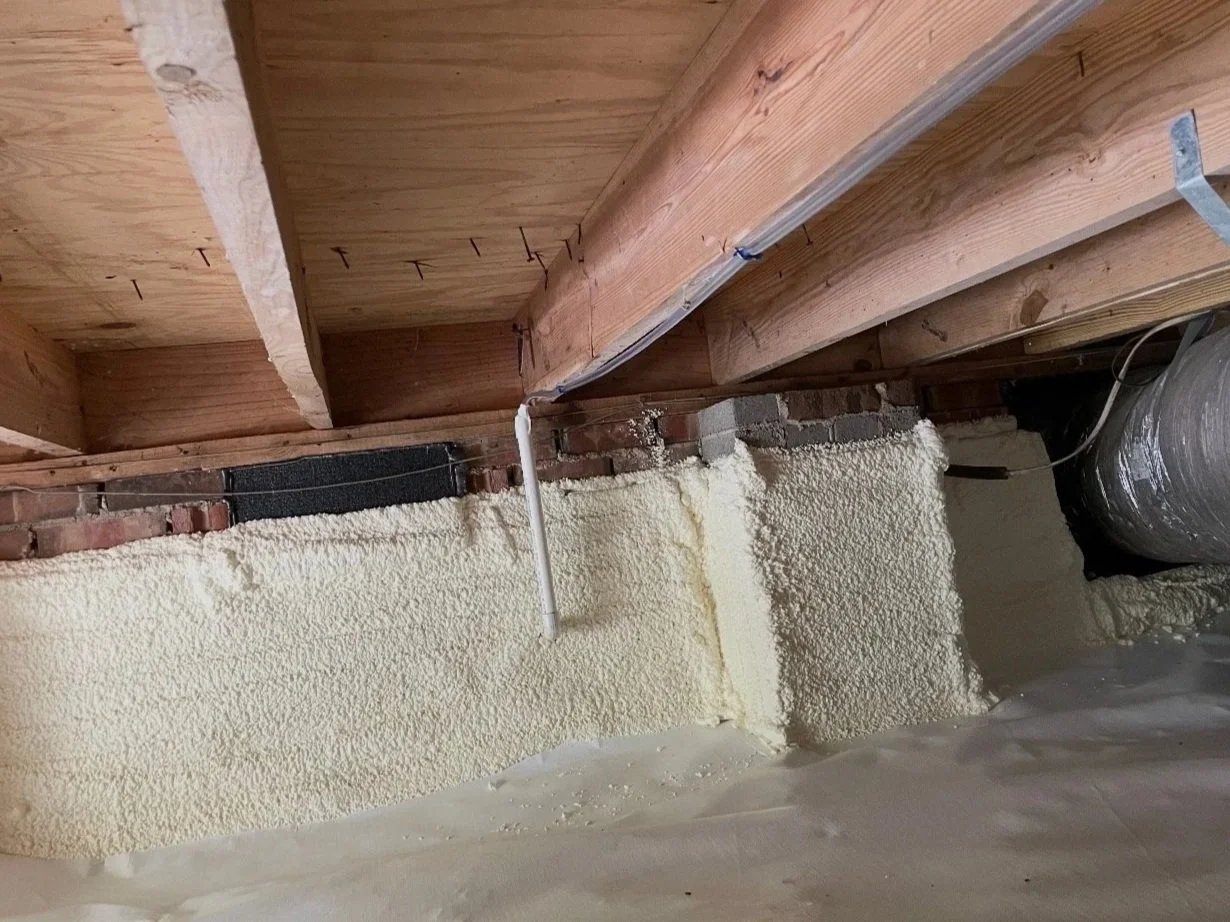
Spray foam insulation on the foundation walls helps control air and humidity while leaving the floor joists exposed, making it easier to spot mold, wood damage and termite activity. A drier crawl space can also reduce the moisture conditions that attract termites.
Floor Insulation vs. Foundation Wall Insulation
Traditional vented crawl spaces often use fiberglass insulation between the floor joists.
Encapsulated crawl spaces are designed differently. Insulating the foundation walls helps bring the crawl space into a more controlled environment and keeps the floor framing visible instead of hiding it behind fiberglass.
The right option depends on whether the crawl space will remain vented or become part of a sealed moisture-control system.
Spray Foam vs Foam Board Wall Insulation
Southern prefers GREENGUARD-certified spray foam for foundation wall insulation when encapsulating crawl spaces. Spray foam is highly energy efficient, installs faster than foam board, and helps keep project costs down. We apply spray foam against the encapsulation liner as part of the foundation wall insulation system. This helps insulate the crawl space while keeping the foundation walls clean and avoiding unnecessary drilling or fastening into the masonry.
Foam board is another option, but it typically takes more labor to cut, fit, fasten, and seal around foundation walls, vents, corners, pipes, and obstructions. It is also commonly secured with fasteners into the foundation wall, which is not our preferred approach when spray foam is the better fit.
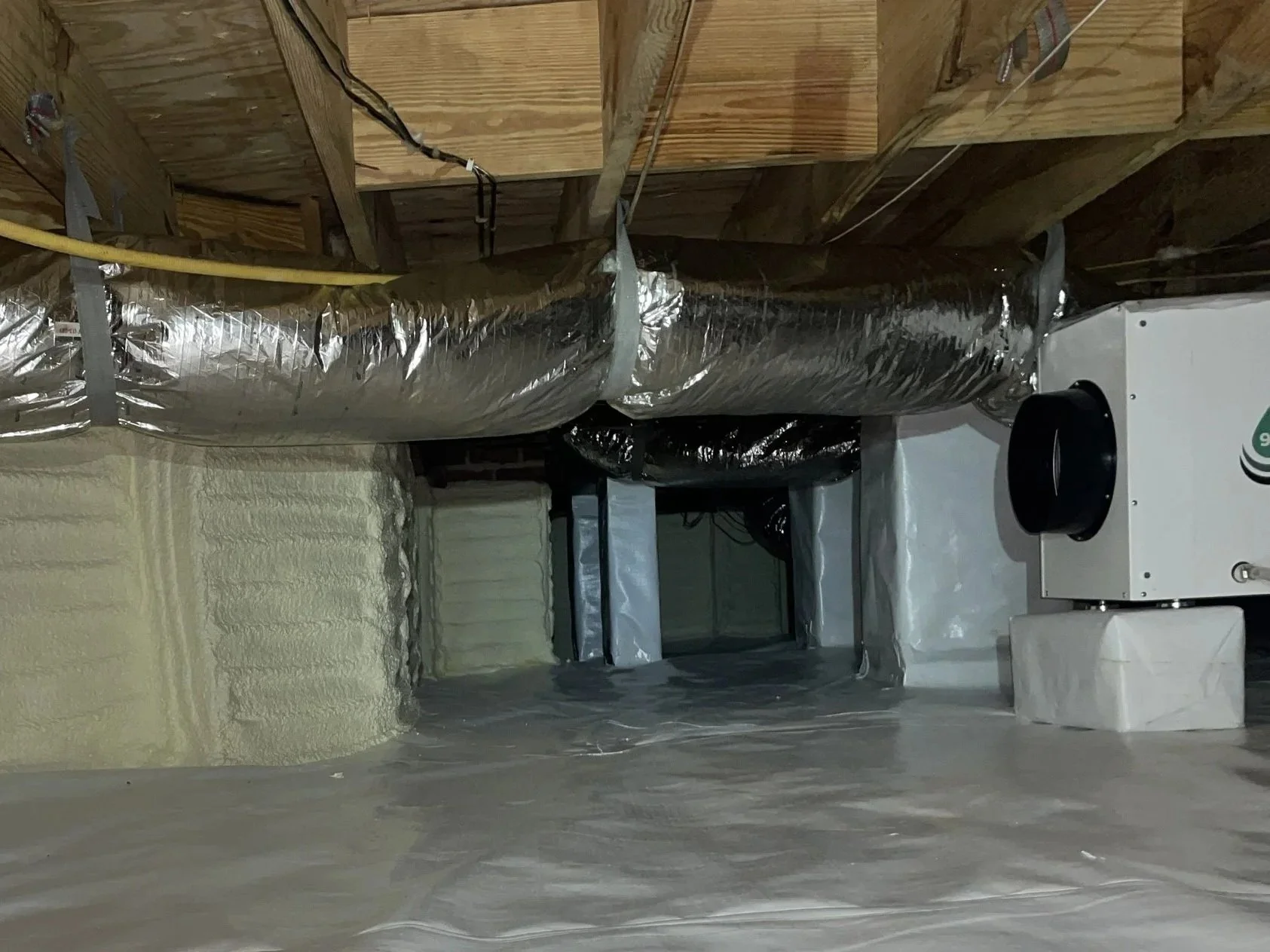
Spray foam foundation wall insulation helps support an encapsulated crawl space by insulating the wall area, reducing air leakage, and avoiding unnecessary fasteners into the foundation.
Our Crawl Space Insulation Process
Inspect the Crawl Space
We check the insulation for moisture, contamination, pest damage, missing areas and visible mold or wood damage.
Determine What Can Be Saved
Dry and usable insulation may be rehung. Wet, damaged or contaminated material is identified for removal.
Remove or Repair the Insulation
We remove damaged material, resecure usable insulation or install the recommended replacement system.
Check for Related Moisture Problems
If humidity, standing water or mold caused the insulation failure, encapsulation, drainage, mold treatment or a dehumidifier may also be recommended.
Strong Warranties. Clear Protection.
Southern backs our crawl space systems with clear written warranties.
25-Year Transferable Vapor Barrier Liner Warranty
Covers rips, tears and seam separation in Southern-installed vapor barrier liners.
25-Year Transferable Crawl Space Drainage Warranty
Covers Southern-installed crawl space drainage systems with required annual inspection and maintenance.
One-Year Workmanship Warranty
Covers Southern workmanship on services that do not include a separate written warranty.
Manufacturer Warranties
Dehumidifiers, sump pumps, battery-backup systems and other equipment include applicable manufacturer warranties.
Learn more about Southern’s warranties.
Not sure what is going on in your crawl space?
Let us inspect your crawl space for free. We will explain the problem, if any, and recommend the right next step.
Crawl space insulation cost depends on how much material needs to be rehung, removed or replaced and whether moisture-control work is needed first. A free inspection is the best way to determine the right system and price.
By submitting this form, you acknowledge our Privacy Policy and Terms and Conditions.