
Crawl Space Vapor Barrier Installation in Charlotte, NC
Vapor barriers cover exposed soil and help reduce ground moisture before it becomes a larger crawl space problem. Southern Crawl Space Repair installs 100% reinforced 20-mil vapor barriers designed to resist punctures and mold growth while reducing water vapor and soil gases rising from the ground. Made in the USA from 100% virgin materials, our vapor barriers will not produce odors and carry a smell-free warranty.
Vapor barriers, however, do not address two other major sources of crawl space moisture: Charlotte’s humid outside air entering through foundation vents and active water intrusion. Left unchecked, these additional moisture sources keep crawl space humidity high, feed mold and fungal growth, soak insulation and contribute to wood rot.
Not sure how a ground vapor barrier differs from partial or full encapsulation? Compare the three moisture-control options.
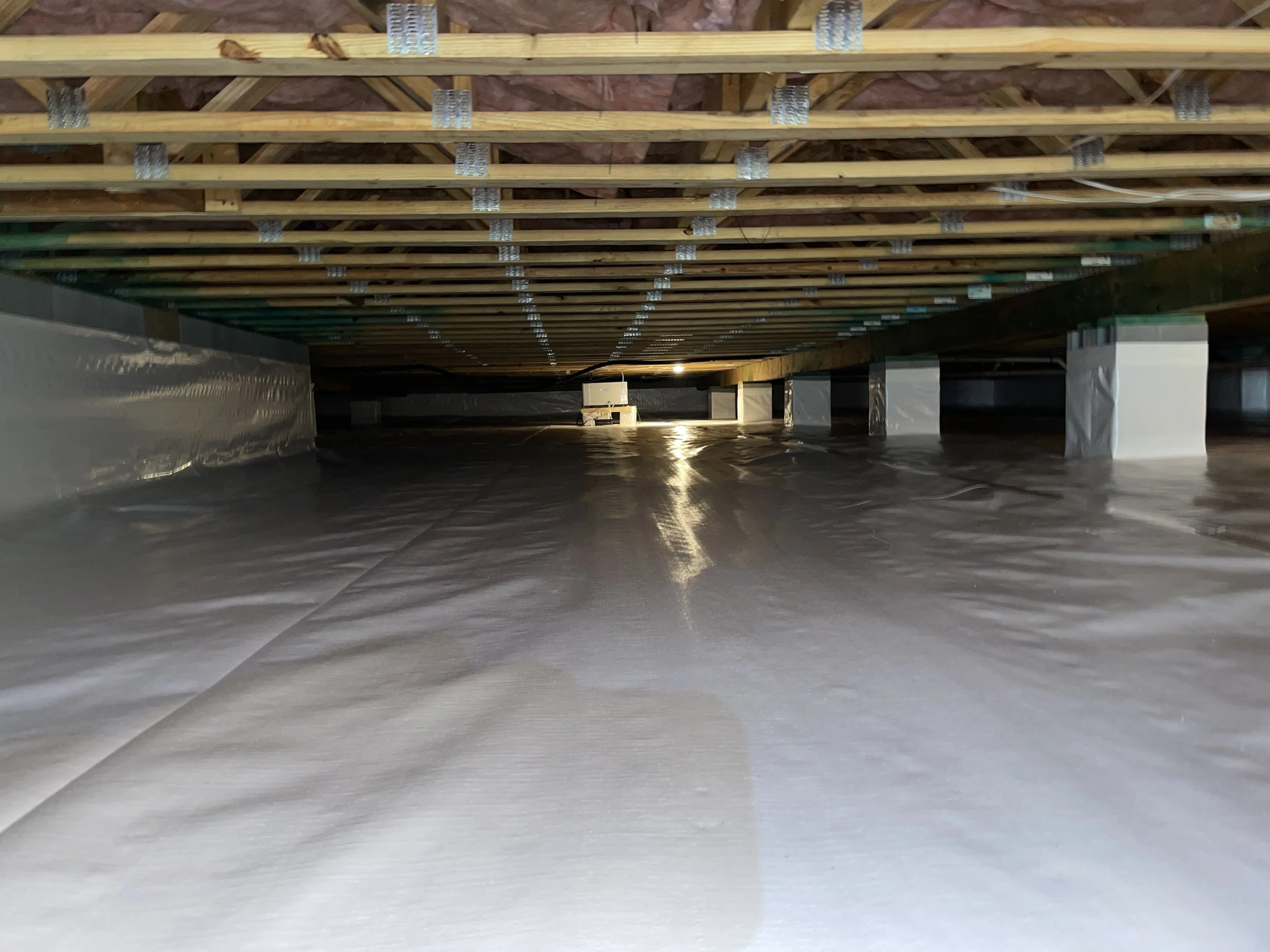
A crawl space vapor barrier covers exposed soil to help control ground moisture before it turns into humidity, odors, mold-friendly conditions, or moisture damage under the home.
What Is a Crawl Space Vapor Barrier?
A vapor barrier is a reinforced liner installed across the crawl space floor. It separates the crawl space from exposed soil and reduces the amount of ground moisture entering the space. A crawl space vapor barrier is also commonly called a ground moisture barrier. A properly installed vapor barrier can help:
Lower ground moisture
Reduce musty odors
Create a cleaner crawl space
Protect insulation from damp conditions
Help protect wood framing from moisture damage
Professional vapor barriers commonly range from 14 mil to 20 mil, depending on the level of protection needed.
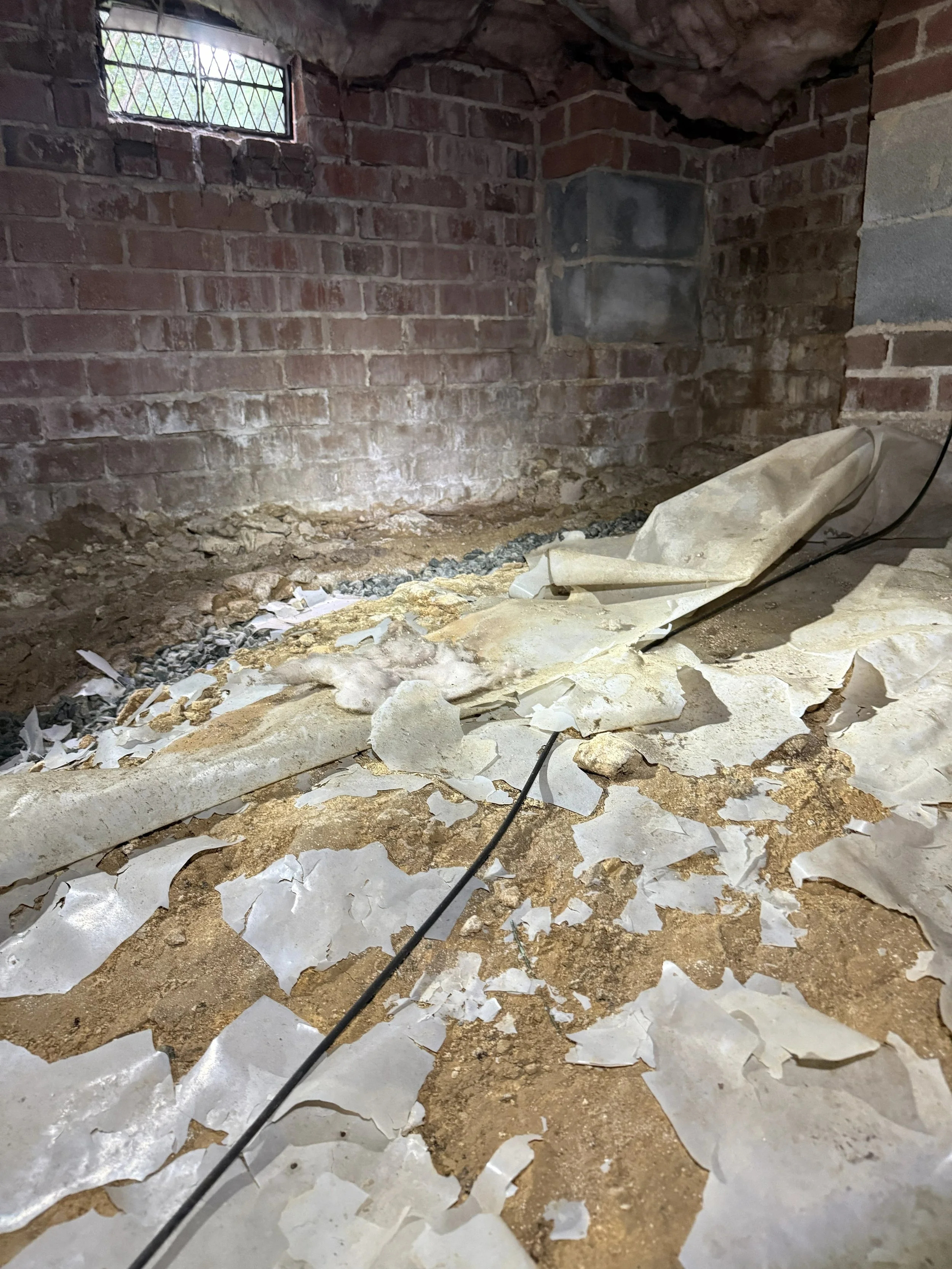
A damaged crawl space vapor barrier leaves exposed soil beneath the home and allows ground moisture to continue entering the crawl space. Torn, deteriorated or displaced liner should be removed or repaired before installing a new vapor barrier or full crawl space encapsulation system.
When A Vapor Barrier Is Not Enough
A vapor barrier covers the ground, but it does not completely seal the crawl space.
Humidity can still enter through open vents, access doors, foundation gaps and other openings. A vapor barrier also does not remove standing water or control moisture already in the air.
Full encapsulation may include:
A sealed floor liner
Wrapped piers and columns
Sealed vents and openings
Foundation wall liner or insulation
A crawl space dehumidifier
Waterproofing and drainage
Installing new plastic over an active water problem can hide the water without correcting the problem. Some homes only need a new vapor barrier. Others need a more complete moisture-control system.
Not sure how a ground vapor barrier differs from partial or full encapsulation? Compare the three moisture-control options.
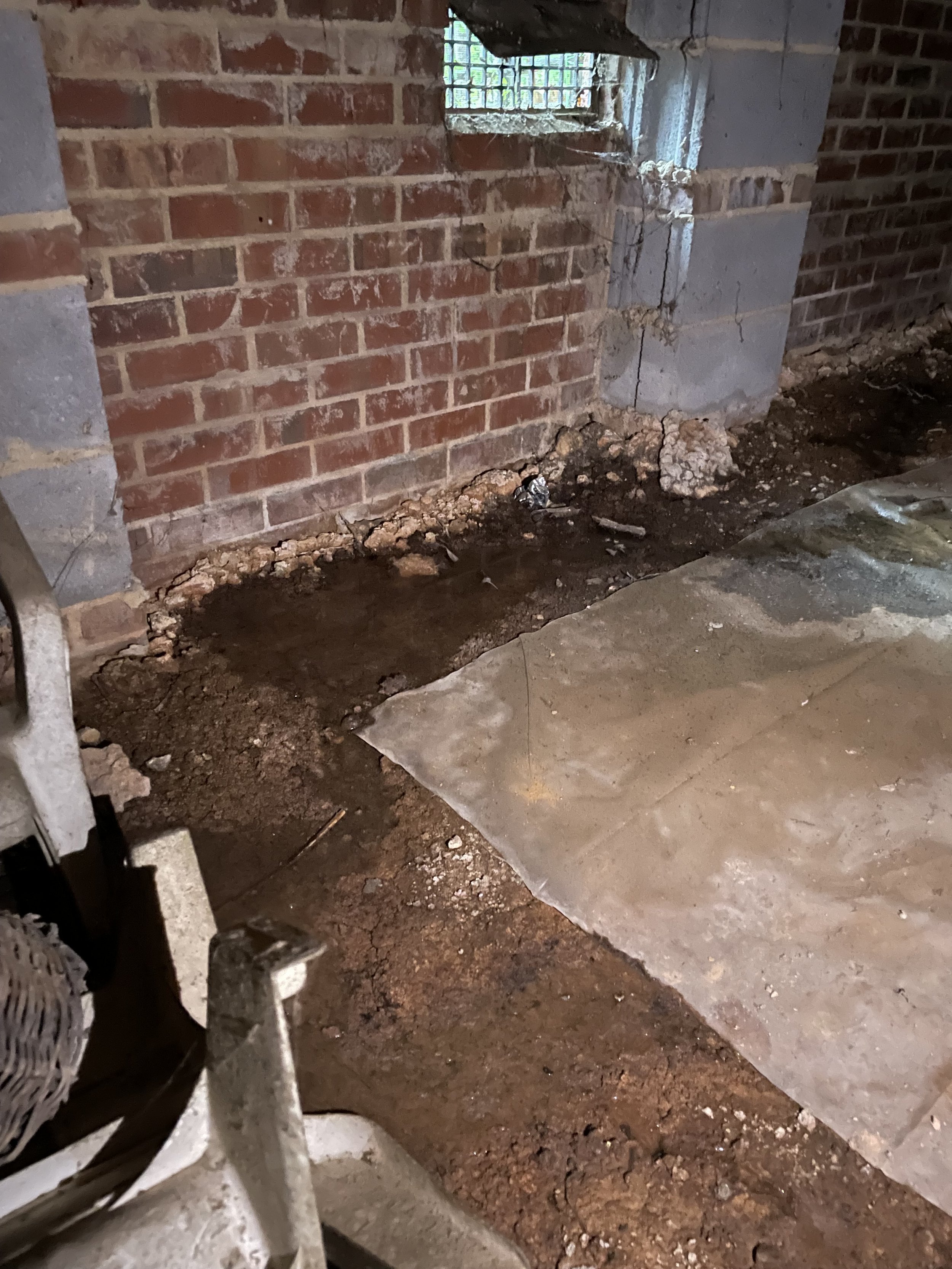
A vapor barrier alone cannot control active water intrusion. Torn or incomplete plastic can leave soil exposed and allow water to collect, which may require drainage, encapsulation and dehumidification to protect the crawl space.
Signs You May Need a New Vapor Barrier
You may need a crawl space inspection if you notice:
Exposed dirt or bare soil under the home
Torn, loose, or missing vapor barrier
Damp soil in the crawl space
Old, dirty, or deteriorated plastic sheeting
Gaps where soil is no longer covered
Musty odors inside the home
Light crawl space dampness or ground moisture
High crawl space humidity
Wet or falling insulation
Mold, mildew, or fungal growth
Home inspection issues related to the crawl space
If water is sitting on top of the existing vapor barrier or entering the crawl space after rain, the problem may be condensation or drainage. Those water issues should be corrected before simply installing new plastic over the ground.
What Our Vapor Barrier Installation Options Include
Every crawl space is different. After the inspection, we recommend the right level of vapor barrier installation based on the condition of the space.
Crawl Space Inspection: We check for exposed soil, ground moisture, humidity, damaged liners, wet insulation, mold, drainage issues, and wood damage.
Cleanout and Preparation: Old plastic, debris, wet insulation, or damaged materials may need to be removed before the new vapor barrier is installed.
Ground Coverage: The vapor barrier is installed across the crawl space floor to help separate the space from ground moisture.
Seams and Overlaps: Seams and overlaps should be placed carefully so the liner performs better and does not leave large exposed areas of soil.
Piers and Edges: Depending on the crawl space, the vapor barrier may need to be fitted around piers, walls, and access areas to improve coverage.
Moisture-Control Recommendations: If we find water intrusion, mold, wet insulation, or humidity problems during the inspection, we will explain whether the crawl space also needs drainage, waterproofing, encapsulation, insulation removal, or a dehumidifier.
Final Cleanup: We complete the installation carefully, respect the work area, and clean up when the job is finished.
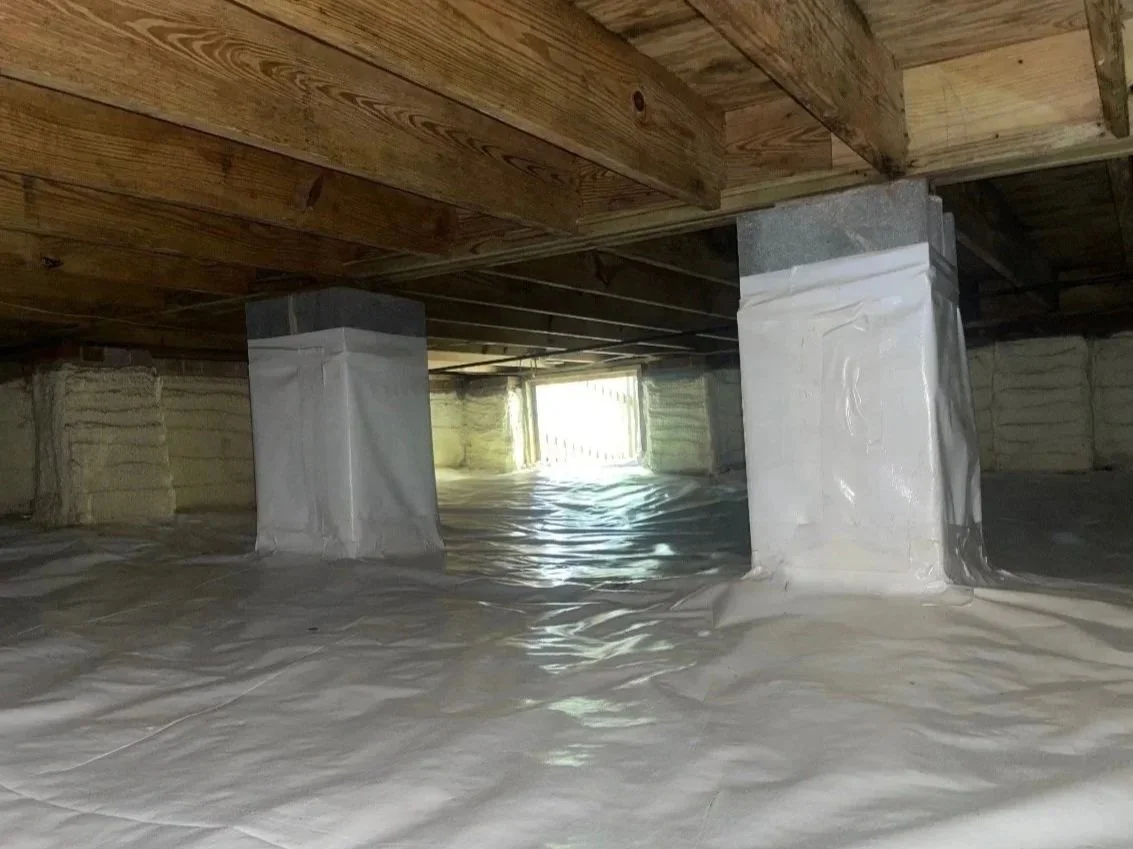
A properly installed vapor barrier covers exposed soil, overlaps seams and fits around piers and edges to help reduce ground moisture beneath the home.
Strong Warranties. Clear Protection.
Southern backs our crawl space systems with clear written warranties.
25-Year Transferable Vapor Barrier Liner Warranty
Covers rips, tears and seam separation in Southern-installed vapor barrier liners.
25-Year Transferable Crawl Space Drainage Warranty
Covers Southern-installed crawl space drainage systems with required annual inspection and maintenance.
One-Year Workmanship Warranty
Covers Southern workmanship on services that do not include a separate written warranty.
Manufacturer Warranties
Dehumidifiers, sump pumps, battery-backup systems and other equipment include applicable manufacturer warranties.
Learn more about Southern’s warranties.
Not sure what is going on in your crawl space?
Let us inspect your crawl space for free. We will explain the problem, if any, and recommend the right next step.
Crawl space vapor barrier cost depends on the size of the space, the equipment needed and whether sealing or drainage work is required first. A free inspection is the best way to determine the right system and price.
By submitting this form, you acknowledge our Privacy Policy and Terms and Conditions.