
Crawl Space Mold, Humidity and Indoor Air Quality
A mold problem beneath your home does not always remain in the crawl space. The stack effect pulls air upward through gaps and if the crawl space contains mold or musty air, spores and other airborne particles may move into the living areas above.
Charlotte’s outdoor humidity often exceeds 60%, which is above the humidity range the CDC and EPA recommend for helping control mold. The CDC recommends keeping indoor humidity no higher than 50% throughout the day, while the EPA recommends keeping relative humidity below 60%, ideally between 30% and 50%.
Southern Crawl Space Repair addresses both sides of the problem: we treat existing mold and build the moisture-control system needed to help keep it from returning.
Read the CDC’s Mold and Health Guidance.
Read the EPA’s Mold Guidance
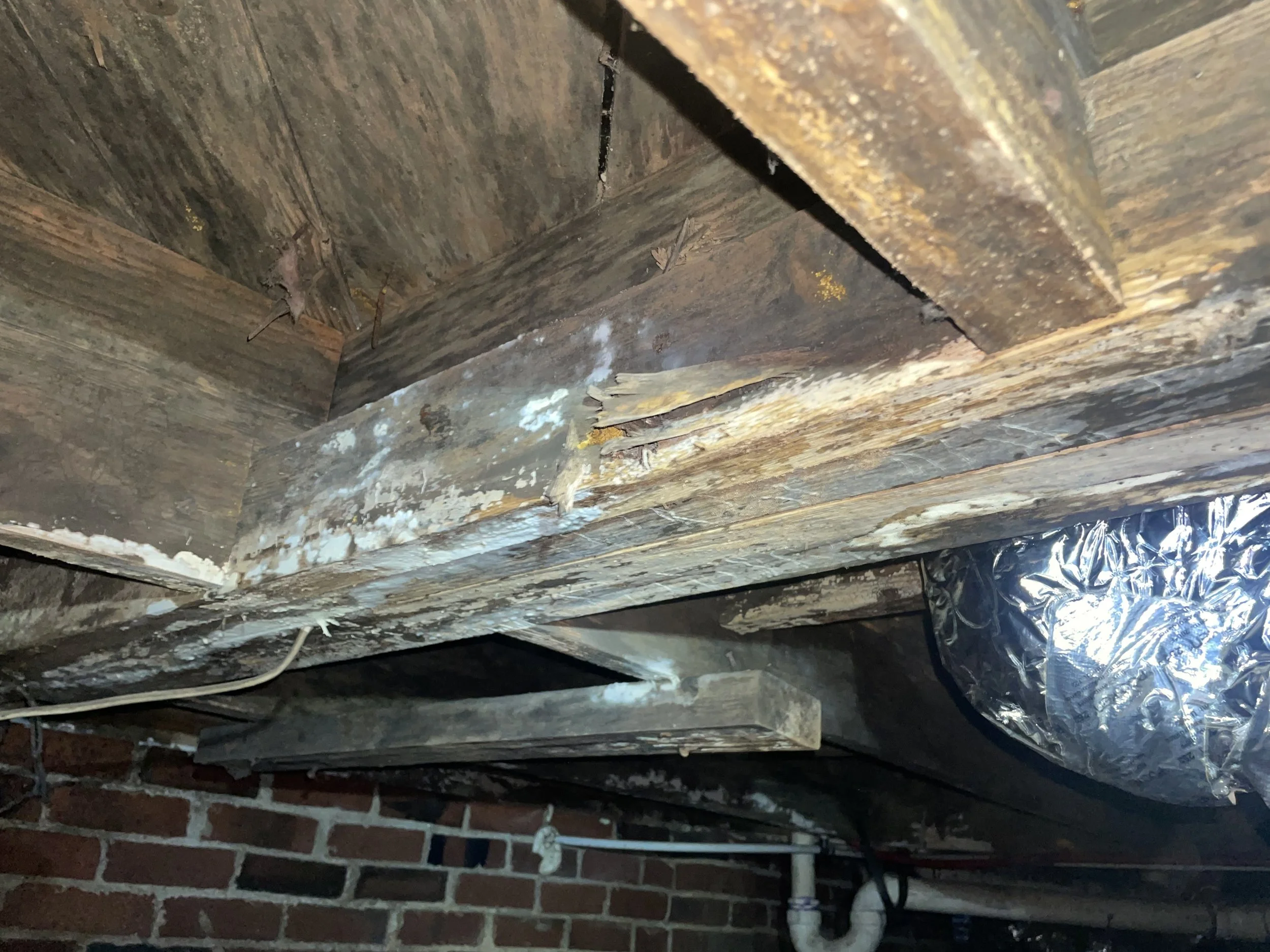
Mold spores and other airborne particles from a contaminated crawl space may move into the home above, where they can aggravate allergies, asthma, and respiratory irritation.
Crawl Space Mold May Affect the Air Your Family Breathes
A mold problem beneath your home does not always remain in the crawl space. The stack effect pulls air upward through gaps around plumbing, wiring, ductwork and floor framing. When the crawl space contains mold, wet insulation and musty air, spores and other airborne particles may move into the living areas above.
Common molds found in damp indoor environments include:
Aspergillus
Penicillium
Cladosporium
Alternaria
Stachybotrys, often called black mold
You cannot reliably identify mold or determine its health risk by color alone. White, black, green or gray growth all indicates that enough moisture exists to support fungal activity beneath the home.
The CDC reports that mold exposure may cause:
Nasal congestion or a runny nose
Sneezing and sore throat
Coughing or wheezing
Burning, red or irritated eyes
Skin irritation or rashes
Development or worsening of asthma
Allergic rhinitis or hay fever
Respiratory infections in some people
Headaches, fatigue and other nonspecific symptoms have also been reported in studies of people spending time in damp buildings, although those symptoms do not prove that mold caused the problem. People with asthma or mold allergies may experience more severe reactions. People with weakened immune systems or chronic lung disease may face a greater risk of fungal lung infections. Certain molds, including Aspergillus, may also cause allergic or infectious illnesses in susceptible individuals.
A mold-contaminated crawl space does not prove that it caused a particular health condition. However, visible fungal growth, persistent musty odors and contaminated insulation directly beneath your living space should not remain ignored.
Read the CDC’s Mold and Health Guidance.
When a crawl space remains open to humid outside air and exposed ground moisture, it cannot reliably maintain those recommended levels, if at all. Exposed soil, standing water and condensation can keep the space damp enough for mold to spread across floor joists, beams, subflooring and insulation. This air makes its way into your house.
When warm, humid air contacts cooler ductwork, pipes or wood framing, condensation may form. That moisture creates favorable conditions for mold, fungal growth, wet insulation and wood damage.
Simply adding a dehumidifier to an open crawl space usually will not solve the problem. Without sealing the crawl space, the equipment will just continuously fight outside air and ground moisture entering the space.
Why an Open Crawl Space Stays Humid
How Crawl Space Air Reaches the Home Above
The air beneath your home does not always remain in the crawl space.
Gaps around plumbing, wiring, ductwork and floor framing create pathways into the living areas above. The stack effect, sometimes call the chimney affect, helps drive this movement. As warmer air rises and escapes through the upper levels of the home, replacement air enters through lower areas, including the crawl space.
When the crawl space contains high humidity, musty odors, mold spores or contaminated insulation, some of those conditions may move into the home above.
Read Energy Star’s explanation of the Stack or Chimney Affect
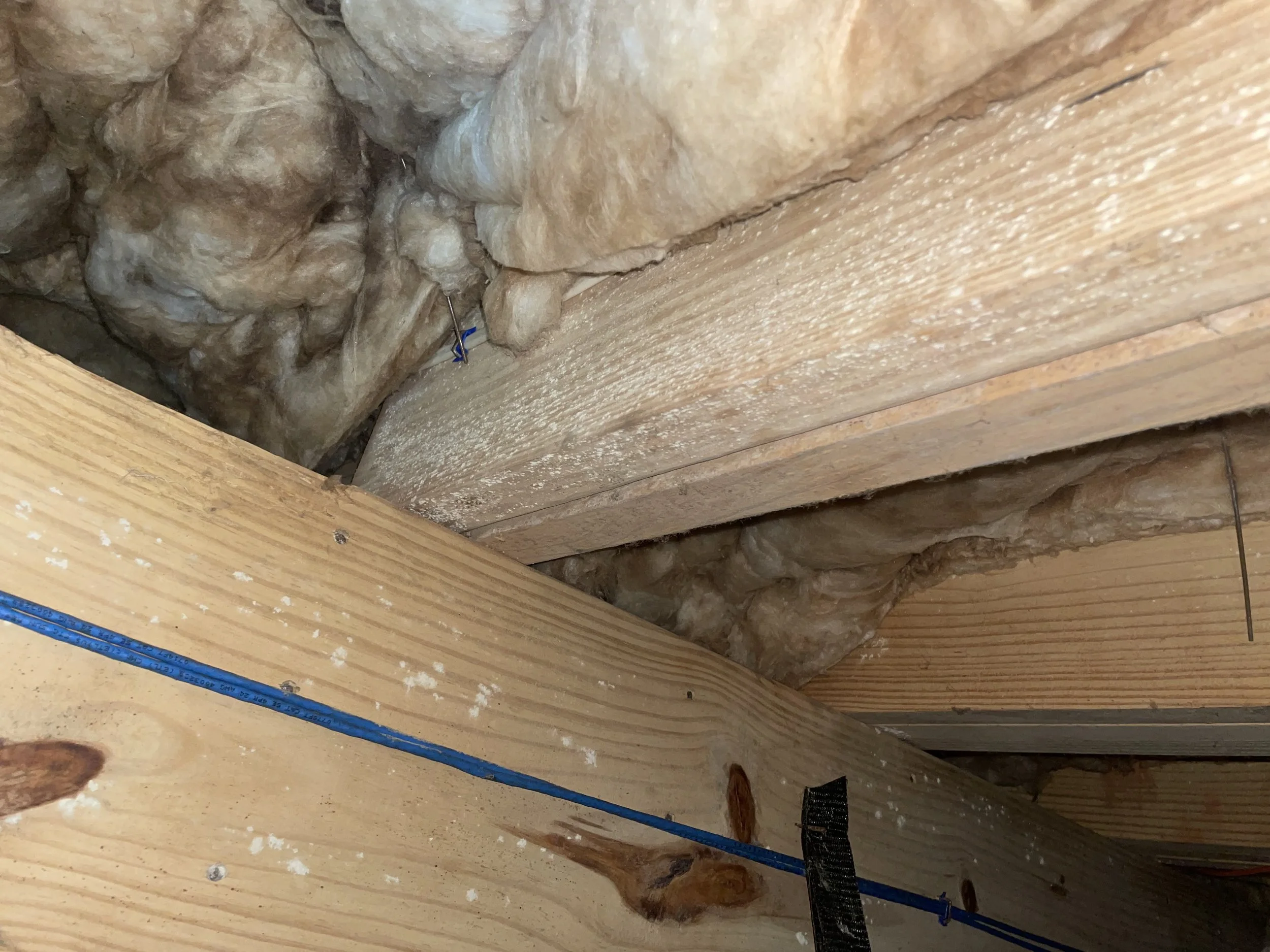
Mold spores and airborne particles can travel from the crawl space into the living areas above, potentially worsening allergy symptoms, asthma, and other respiratory irritation.
Mold Treatment Alone May Not Be Enough
Mold remediation treats the fungal growth already present. It does not automatically correct the moisture feeding it. Depending on the home, a complete repair plan may include:
Mold and fungal treatment
Removal of wet or contaminated insulation
Crawl space cleanout
Drainage and a sump pump
Crawl space encapsulation
A professional AprilAire® crawl space dehumidifier
Not every crawl space needs every service. Southern inspects the space, identifies the moisture source and recommends the repair plan that fits the home.
Medical Disclaimer
Southern Crawl Space Repair provides crawl space inspection, mold-remediation and moisture-control services. We do not provide medical advice, diagnoses or testing. Anyone experiencing persistent or severe symptoms should speak with a qualified healthcare professional.
Not sure what is going on in your crawl space?
Musty odors, high humidity, allergy symptoms, wet insulation, or visible fungal growth may point to a larger moisture problem beneath your home.
Southern Crawl Space Repair will inspect the crawl space, identify the mold and moisture conditions, and explain what needs to be done to treat the growth and help keep it from returning.
By submitting this form, you acknowledge our Privacy Policy and Terms and Conditions.